
Dell stepped into CES with a refreshed XPS lineup and a clear message about getting its PC business back on track. Jeff Clarke framed the return of XPS as a shift toward design clarity, lighter builds, and stronger focus on everyday users. The new XPS 14 and XPS 16 introduce a clean aluminum look, efficient thermals, and longer runtimes, while an updated XPS 13 is coming later this year. Alongside them, Dell rolled out new UltraSharp monitors and expanded Alienware systems, giving gamers and creators more display and performance options.
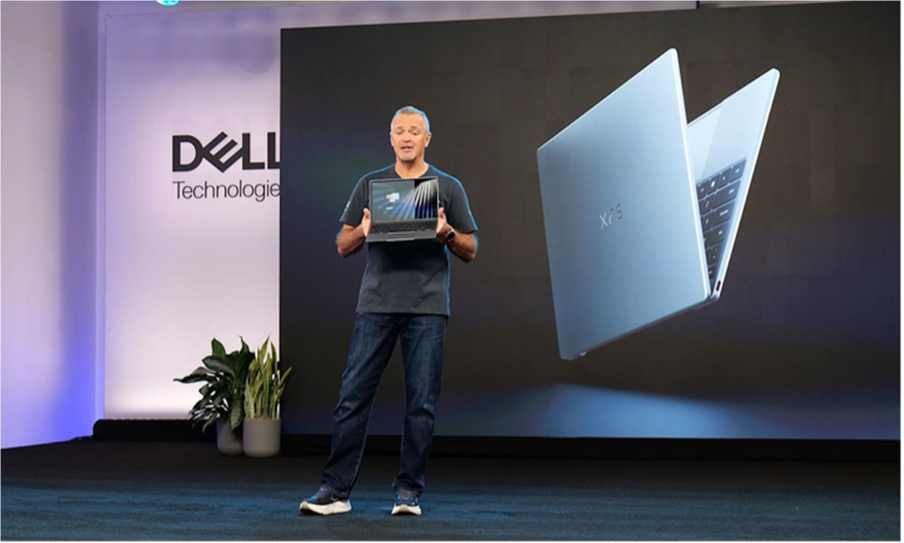
Jeff Clarke, Dell’s vice chairman and chief operating officer. (Source: Dell)
Dell refreshed the XPS line with redesigned XPS 14 and XPS 16 laptops. The systems use aluminum enclosures, high-resolution displays, tuned performance profiles, and long battery life. Both ship in Graphite first, with a Shimmer option arriving later this year.
Jeff Clarke, Dell’s vice chairman and chief operating officer, outlines the company’s plan to re-establish its position in consumer and gaming markets by expanding product breadth and restoring the iconic XPS brand.
“We’re getting back to our roots with a renewed focus on consumer and gaming. XPS is back, better than ever, with a complete redesign that delivers exceptional craftsmanship in our thinnest, lightest form factors yet. We’re also bringing XPS 13 back as our most accessible XPS ever. In gaming, we’re building on recent momentum and effectively doubling Alienware’s notebook lineup. These moves are about broadening our portfolio and expanding our coverage so we can reach more customers with the best products at every price point,” said Clarke.
Clarke’s comments frame XPS as a focal point for that effort, with an emphasis on design quality, mobility, and market reach. He also positions Alienware’s expanded notebook range as part of a broader strategy to cover more segments with hardware tuned for distinct user groups.
“We’ve gotten a bit off course in our PC business, and the accumulated impact is we’ve underperformed. That’s something that’s unacceptable,” he said.
Dell introduces the latest XPS generation with a unified design language and a clear visual identity marked by the return of the XPS logo on the lid. The XPS 14 and XPS 16 use CNC-machined aluminum enclosures, compact thermal layouts, and display configurations that emphasize color accuracy and contrast.
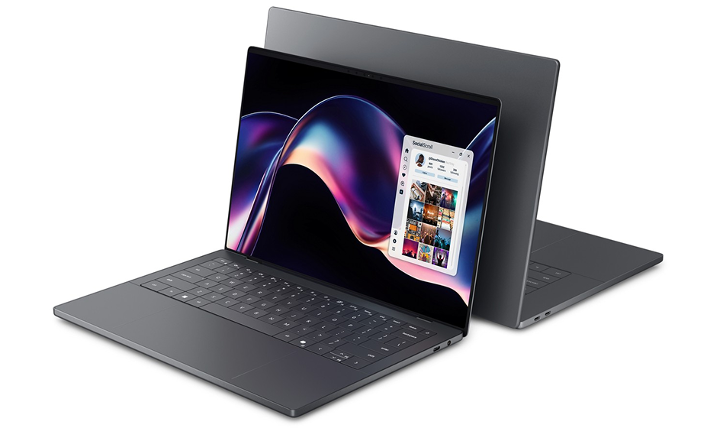
Figure 1. Dell 14- and 16-inch XPS 2026 AI PC notebooks. (Source: Dell)
Both systems integrate Intel Core Ultra Series 3 processors and Intel Arc graphics with 12 Xe cores, enabling balanced performance for content creation, productivity, and light gaming while maintaining low system weight and modest thermals. Dell specifies long operating times for streaming and local playback workloads, reflecting a focus on efficiency across real-world usage patterns.
“The consumer business will report directly to me going forward, making sure that it has the necessary focus and resources to ensure that we succeed,” Clarke said.
Each system targets reduced thickness and mass compared to earlier XPS generations. The XPS 14 maintains a profile of 14.6 mm and a weight of nearly three pounds, while the XPS 16 reaches approximately 3.6 pounds. Tandem OLED options expand the display stack with high brightness and deeper contrast, and the overall industrial design highlights simplified edges, minimal port layouts, and a uniform hinge structure. These characteristics align the product family with Dell’s intent to return to foundational XPS principles of portability, clean construction, and predictable performance under sustained load.
The company redesigned the thermal system with larger, thinner fans that increase airflow without adding bulk. The XPS 14 and XPS 16 start at 0.58 inches in thickness, making them the thinnest Dell systems in their respective size classes. The 14-inch model takes advantage of this redesign with a notably compact chassis that occupies less desk space than a 13-inch MacBook Air. Its weight begins at three pounds, placing it more than half a pound below the 2024 XPS 14 and the 2025 Dell 14 Premium.
Dell plans to extend the XPS lineup later in the year with additional form factors and price points. The upcoming XPS 13 will reintroduce the smallest model in the range with a lighter frame, thinner profile, and a configuration positioned as the most affordable entry into the XPS family.
New big, bright monitors
Dell has been a leader in displays for many years, and their new monitors shown at CES indicate it’s not going to give up its title.
The Dell UltraSharp 52 Thunderbolt Hub Monitor introduces a 52-inch 6K panel designed for professionals who require extensive workspace on a single screen. It is the first display to reach TÜV Rheinland’s highest Low Blue Light certification tier, and targets users such as financial traders, data analysts, engineers, and executives who prefer a unified viewing surface rather than a multi-monitor configuration.
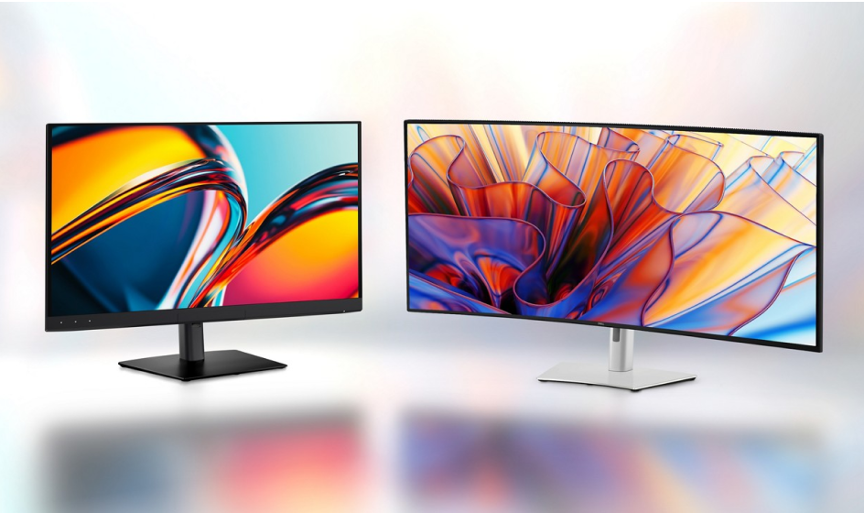
Figure 2. Dell introduces two UltraSharp monitors. (Source: Dell)
The Dell UltraSharp 32 4K QD-OLED Monitor, recognized as a CES 2026 Innovation Award honoree, brings QD-OLED technology into the commercial and professional domain. It is the first DisplayHDR True Black 500 QD-OLED monitor to incorporate Anti-Glare Low-Reflectance technology. Earlier QD-OLED products focused on gaming, while this generation emphasizes panel efficiency, stable HDR behavior, and controlled reflectance. These characteristics support creative and imaging workflows that require consistent color accuracy and predictable performance under varied lighting conditions.
Alienware gets faster, and mobile
Alienware arrives at CES with a clear objective centered on expanding its gaming portfolio and advancing display and performance technologies. The company plans to reach a wider range of players through new ultra-slim and entry-level laptop categories later in the year, while the 2026 lineup focuses on front-of-screen refinement, component upgrades, and systems designed to meet the demands of varied gaming environments. The strategy reflects ongoing engagement with its user community and a commitment to addressing long-standing technical concerns that impact laptop and desktop gaming experiences.
A primary focus this cycle is the introduction of anti-glare OLED panels across the 16-inch laptop family. Alienware brings its QD-OLED development experience from previous monitor generations to mobile platforms, targeting the persistent challenges of reflections, gloss, and fingerprint visibility on bright, high-contrast OLED surfaces. The Alienware 16 Area-51 and Alienware 16X Aurora are the first systems in the lineup equipped with these panels. The hardware reduces reflected light through a specialized surface treatment while maintaining the visual characteristics associated with OLED: instantaneous response behavior, precise luminance control across dark and bright scenes, and high-fidelity color rendering across wide gamuts.
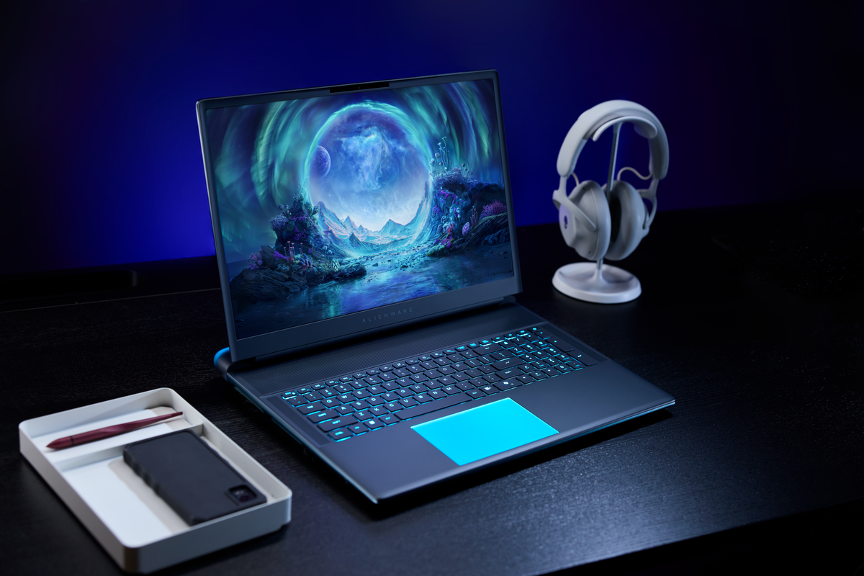
Figure 3, New Dell Alienware notebook with OLED track screen. (Source: Dell)
This panel generation emphasizes motion handling, contrast consistency, and color stability under different lighting conditions. Rapid pixel transitions support clean motion during fast gameplay, while the luminance range maintains detail across shadowed regions and highlight zones. Color volume remains high, supporting demanding content workflows such as HDR cinematics and artist-grade rendering. The design incorporates measures to support long-term panel health, including pixel-management logic informed by real-time usage and thermal behavior. Mechanical durability also receives attention, with hinge systems and lid structures validated under repeated cycling and pressure scenarios to support extended field use.
The Alienware 18 Area-51 joins the refreshed 16-inch models with an updated performance configuration. All systems adopt Intel Core Ultra 200HX processors and Nvidia GeForce RTX 50-series GPUs, establishing a shared baseline around new CPU and GPU architectures. The update enables higher throughput for modern game engines, improves thermal efficiency under sustained load, and provides additional capacity for creator workflows and mixed gaming-and-streaming use cases.
On the desktop side, the Area-51 tower continues as Alienware’s platform for large-format, high-power configurations. The chassis supports extensive internal expansion and is designed around standard ATX component layouts for broad compatibility with third-party hardware. The system architecture evolves in response to long-term community requests, including improved airflow routing, simplified cable access, and more flexible component replacement paths. The 2026 configuration roadmap includes an option for AMD’s Ryzen 7 9850X3D, integrating stacked-cache technology suited for game engines that benefit from enlarged on-package memory structures.
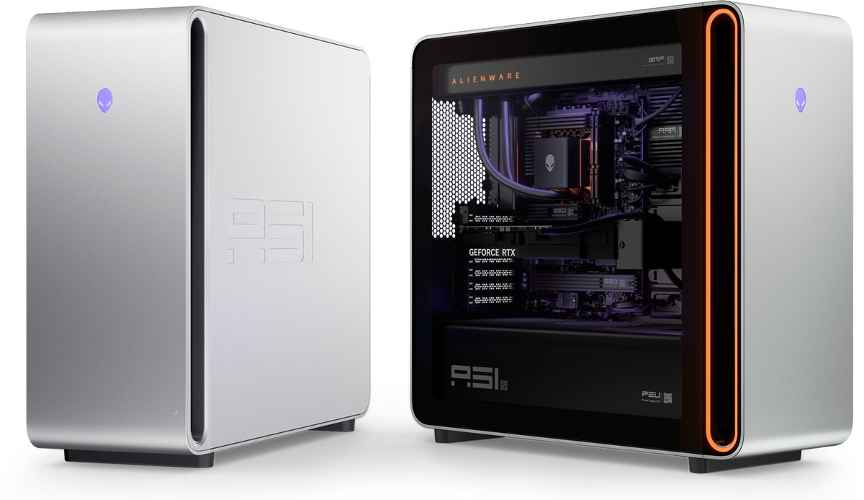
Figure 4. Alienware Area-51 with AMD X3 processor. (Source: Dell)
Alienware frames the combination of new displays, updated mobile platforms, and expanded desktop CPU options as an effort to provide consistent gaming performance across product segments. The company positions the portfolio for players who want predictable frame pacing, accurate visual output, and hardware that aligns with evolving graphics and simulation workloads.
What do we think?
Dell’s announcements paint a picture of a company steering its PC strategy with a clearer sense of direction. The return of XPS signals a move toward cleaner design, practical performance, and products that feel grounded in how people actually work. Alienware’s updates show a similar mindset, with attention to display quality, thermals, and features that reflect everyday feedback from gamers. The new monitors round out the lineup for users who need strong visual tools for their jobs or hobbies. Together, these launches suggest that Dell wants to reconnect with customers who value dependable systems and straightforward choices. The message across the announcements feels simple: Dell wants to offer a broader range of machines that fit different budgets and different workloads—without overcomplicating the lineup. If Dell continues down this path, the company can strengthen both its consumer and gaming presence and rebuild trust with people who want clear, thoughtful product updates.
LIKE WHAT YOU’RE READING? INTRODUCE US TO YOUR FRIENDS AND COLLEAGUES.